Private Label Inflatables: From Logo to Shipment
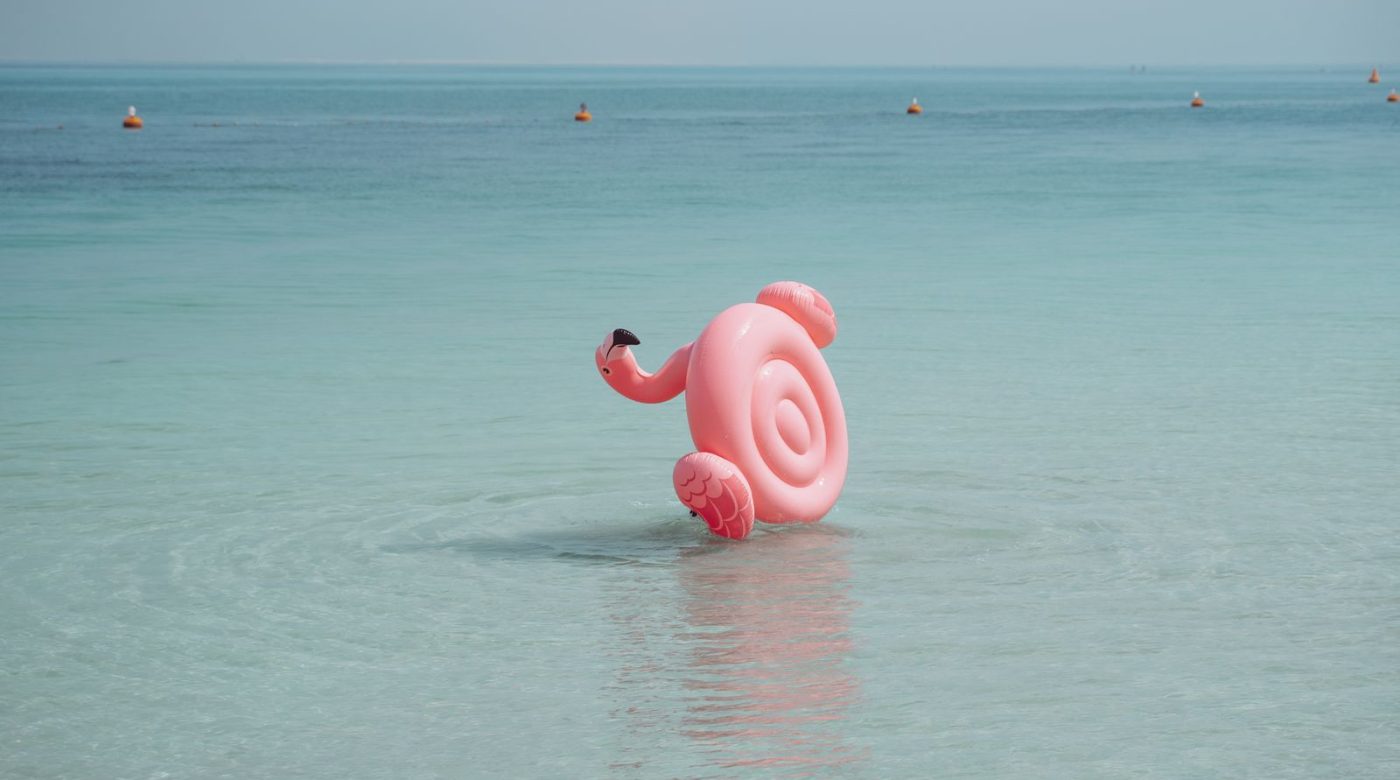
Private-label inflatables let retailers, distributors and brands sell paddle boards, floats, towables and more under their own name. The process can look complex from the outside, but it follows clear steps. This guide walks through a typical project from first brief to delivered goods.
Key takeaways
- A clear brief saves time and prevents costly changes later.
- Approve physical samples, not just digital mock-ups.
- Packaging, labelling and manuals are part of the product.
- Agree quality checks and shipping documents before production.
Step 1: The brief
Start with a short brief covering:
- Product types and sizes
- Target customers and sales channels
- Markets and languages
- Brand guidelines, logos and colours
- Expected quantities and launch dates
- Accessories and packaging expectations
A good brief helps the manufacturer recommend materials and constructions that fit your positioning.
Step 2: Product specification
The manufacturer proposes specifications: materials, construction, dimensions, accessories and options. For a private-label iSUP, this might include board shape, drop-stitch type, deck pad, fins, paddle, pump, leash and bag. Review each item and agree changes.
Step 3: Artwork and design
Your designer prepares artwork using templates from the manufacturer. Key points:
- Use the correct printable areas.
- Provide vector files for logos.
- Specify colour references.
- Consider how artwork looks on curved or textured surfaces.
Step 4: Samples
Samples turn plans into reality. Check:
- Colours and print quality
- Materials and construction
- Fit of accessories in the bag
- Packaging and labels
Expect one or two rounds of samples. Changes are much easier at this stage than after production starts.
Step 5: Packaging and labelling
Packaging protects products and sells them. Decide between plain shipping cartons and printed retail boxes. Prepare:
- Barcodes for each item and size
- Product labels with required information and warnings
- Manuals and care instructions in the right languages
- Warranty cards if needed
Labelling requirements differ by market, so review them carefully.
Step 6: Compliance and testing
Some products need testing against specific standards, such as toys, swim aids or boats. Agree testing plans early and allow time in the schedule.
Step 7: Production
Once samples and packaging are approved, production begins. Lead times depend on product type and quantity. Ask for updates at key milestones, such as material arrival, assembly and packing.
Step 8: Quality control
Agree how products will be inspected before shipping:
- Factory inspections during production
- Pre-shipment inspection by your team or a third party
- Pressure tests and visual checks for inflatables
- Packaging and labelling checks
Clear acceptance criteria prevent disagreements.
Step 9: Shipping
Agree delivery terms and documentation. Confirm carton markings, pallet requirements and labelling for your warehouse. Ask for packing lists and commercial documents in advance.
Step 10: After-sales support
Plan spare parts and repairs before products reach customers. Keep a stock of valves, fins, repair kits and replacement accessories. Share customer feedback with the manufacturer to improve future runs.
Common pitfalls
- Changing artwork after sample approval
- Underestimating packaging lead times
- Forgetting language requirements
- Skipping pre-shipment inspection
Planning your timeline
Work backwards from your launch date. Allow time for briefing, specification, artwork, at least one sample round, packaging design, production, inspection and shipping. Seasonal products such as paddle boards and pool floats need to arrive before the selling season starts, so many brands begin planning six months or more in advance. Building in a buffer for unexpected delays, such as a second sample round or a packaging correction, protects your launch.
Scaling a private-label range
Many brands start with one hero product, such as a single board size, and expand once sales are proven. Reusing the same packaging style, colour palette and accessories across new products keeps the range consistent and reduces development time for each addition.
Choosing the right partner
Look for a manufacturer that explains materials and construction clearly, shares realistic lead times and is willing to produce samples before committing to volume. Ask for references or examples of other private-label work, and check how they handle after-sales support and spare parts. Clear communication, a named contact and regular production updates matter as much as the product itself, especially for your first order together.
Next steps
Explore our custom and branded inflatables, including custom shapes, logo printing and promotional inflatables. When you request a quote, share your brief and timeline, and we will propose a development plan.
About the author: this guide is written by the LakeMio engineering and export team at Jiangxi Meijia Sports Goods Co., Ltd., a manufacturer of commercial inflatable water sports equipment based in Shangrao, Jiangxi, China. Need numbers for your own project? Request a quote.